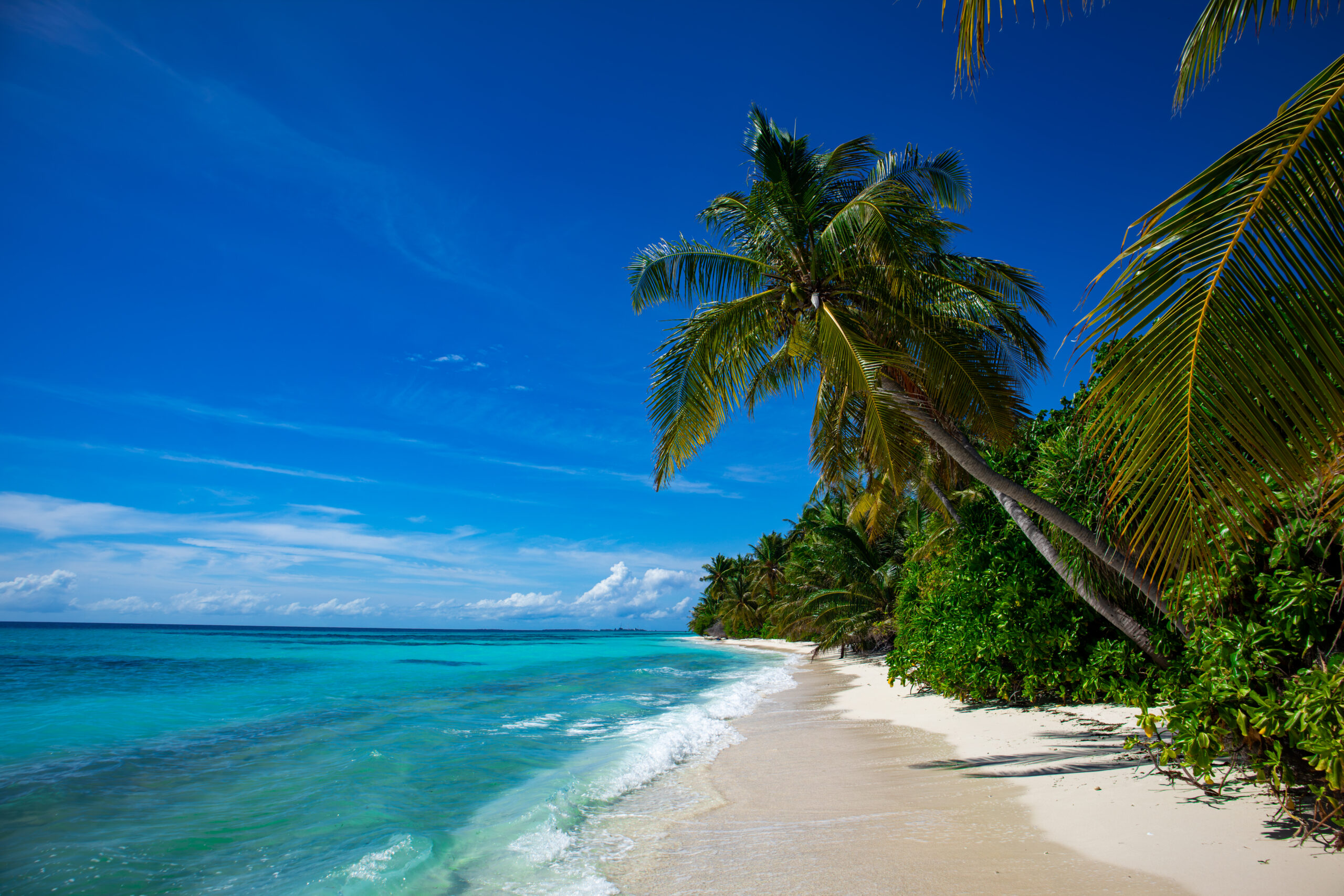
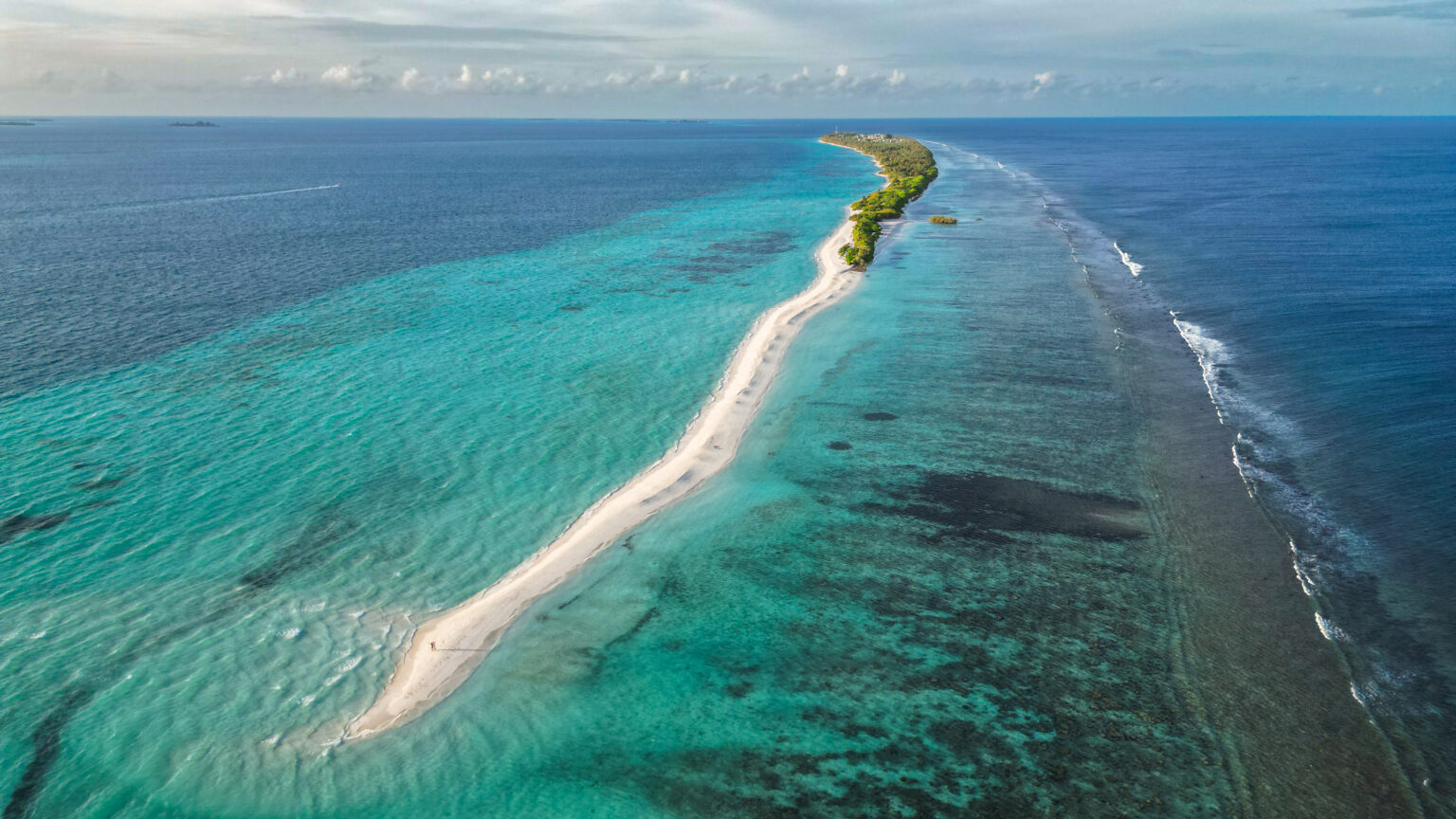
Traumhafte Sandstrände, türkises Meer, Wallpaperfotos – das ist Dhigurah. Nachdem wir 2021 bereits auf den Malediven waren, führte es uns 5 Jahre später wieder zurück. Aber diesmal mit einem entscheidenen Unterschied. Wir tauschten das 5 Sterne Resort von unserer Honeymoon Reise mit einem Guesthouse auf dieser “Local Island”. In diesem Reisereport nehme wir euch mit auf unsere Reise nach Dhigurah, erklären euch die Unterschiede zu einer Resortinsel, geben Einblicke in das Inselleben und teilen Empfehlungen mit euch.
Keine Stege, keine Wasserbungalows. Malediven wie sie ursprünglich aussehen.
An- und Abreise
Dhigurah liegt im South Ari Atoll (Alif Dhaal Atoll) und ist ca. 97–100 km südwestlich von Malé entfernt. Wie üblich führen viele Wege nach Rom, bzw. Dhigurah in diesem Fall. Ihr habt die Wahl mit einem öffentlichen Speedboot zufahren, einen Domestic Flight (Inlandsflug) oder “luxuriös” mit dem Wasserflugzeug anzureisen. Bei beiden Flügen landet man jedoch auf eine Nachbarinsel und wird dann mit einem kleinen Speedboot (ca. 15 min) zur Insel befördert. Das öffentliche Speedboot fährt meistens zwei mal am Tag je nach Witterung und Tide vom oder zum Flughafen. In unserem Fall war es einmal morgens um 07:00 Uhr und einmal um 13:00 Uhr. Zwar waren wir weniger begeistert über diese Transferzeit, da unser Abflug erst um 22:20 Uhr ging, aber eine andere Option gab es nicht. Da wir aber zur Nebensaison geflogen sind (Juni 2026) richten sich die Transfer- und Flugpläne nach Auslastung und somit wäre selbst mit dem Flugzeug kein späterer Transfer möglich gewesen.
Die Preise und Dauer gestalten sich wie folgt (per way): – ca. 70$ für das öffentliches Speedboot (ca. 2 – 2.5h) – ca. 200$ Domestic Flight (20 min + 20min Speedboot) – ca. 280$ Wasserflugzeug (20 min + 15min Speedboot)
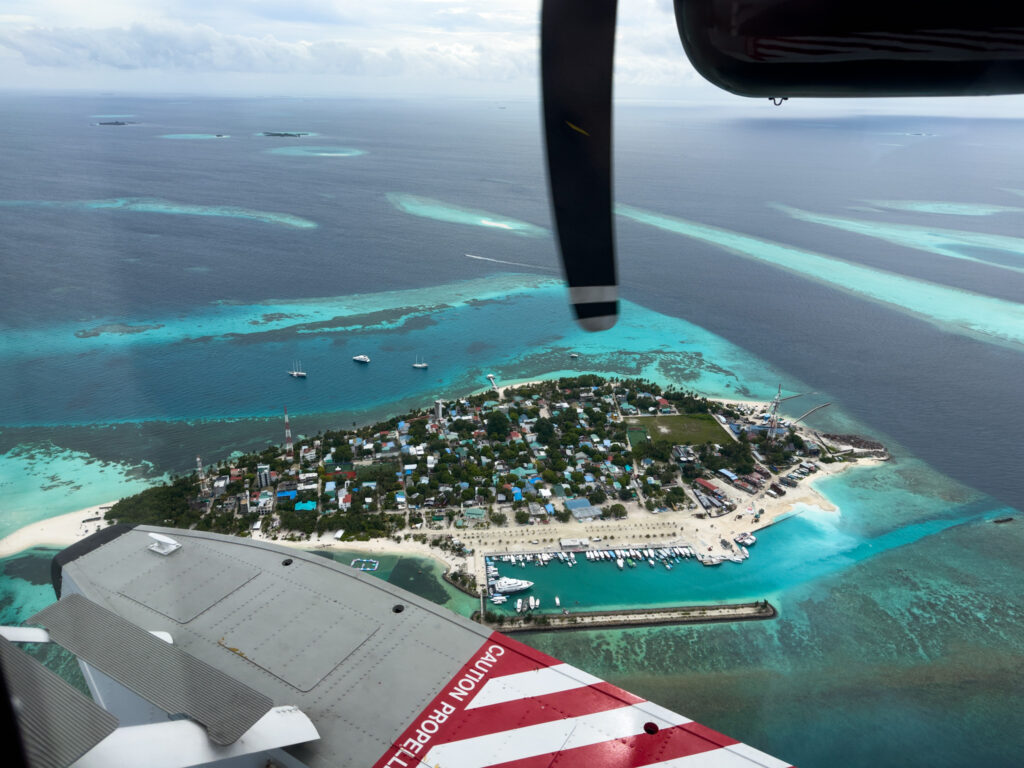
Bei der Hinreise hatten wir Glück im Unglück, denn wir hatten ursprünglich einen Domestic Flight gebucht, welcher jedoch nicht stattfand. Nach kurzer Kommunikation mit dem Guesthouse wurde uns spontan ein Wasserflugzeug gebucht und wir hatten unerhofft nochmal unsere Honeymoon Vibes und konnten die ganzen schönen Inseln aus der Luft begutachten. Auch wenn das Wasserflugzeug kein Schnapper ist, ist es definitv eine Erfahrung wert und die Sicht über die Inseln und Atolle ist magisch.
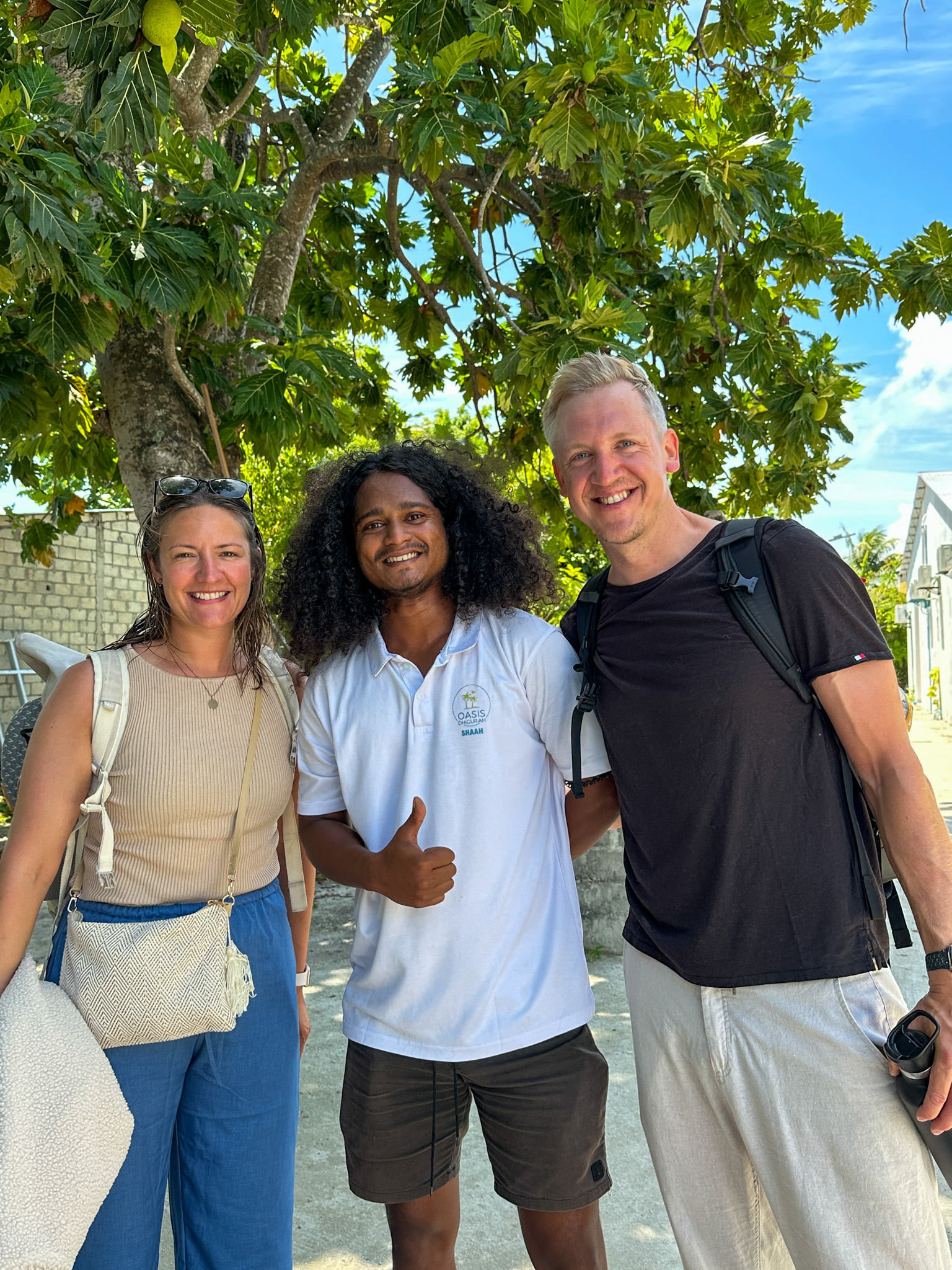
Wer organisiert die Anreise? Das erledigt euer Guesthouse. In unserem Fall hatten wir Wochen zuvor Kontakt mit Shaah von unserem Guesthouse “Oasis Dhigurah”. Ihm haben wir unsere Flugdaten mitgeteilt und zwei Tage vor Ankunft wurde alles gebucht und organisiert, sodass wir uns um nichts weiter kümmern müssen. Man kommt in Male am Valena International Airport an und wird dort direkt freundlich von einem Mitarbeiter empfangen, der einen entweder zu den Speedboot Jettys oder in die entsprechende Abflughalle begleitet. Er zeigt euch auch wo man Cash abholen kann (geht aber auch auf der Insel) oder eine SIM Karte bekommt. Für eine SIM Karte könnt ihr das aber entspannt vorher erledigen, schaut doch gern in unsere Travelhacks. 🙂
Some impressions OF
Local Island
“Local Island” wird auf den Malediven eine Insel genannt, die von den Einheimischen bewohnt wird. Nach und nach erstreckt sich der Tourismus auch auf diese Inseln.
Besonderheiten im Vergleich zu einer Resortinsel
Zugegeben unser Aufenthalt auf einer Resort Insel war phantastisch. Wir haben uns gefühlt wie die Könige mit allen Anehmlichkeiten, die das Hotel zu bieten hatten. Auf einer Local Island gestaltet es sich anders, nicht unbedingt schlechter, sondern authentischer, lokal und wir als Gäste müssen uns danach richten. Im folgenden gehen wir auf die wesentlichen Unterschiede ein:
Bezahlung: Die meisten Restaurants akzeptieren eine Kreditkarte (VISA), sowie die Guesthouses und Dive Center. Bei den Souvenir Shops, kleinen lokalen Restaurants / Bars und Lebensmittelläden wir meistens nur mit Bargeld bezahlt. Es wird zwar häufig gesagt, dass die lokale Währung Maledivische Rufiyaa (MVR) nicht gerne angenommen wird, das konnten wir so nicht bestätigen und haben durchweg mit MVR bezahlt. Der aktuelle Kurs (Juni 26) liegt bei etwa 1 € = 17,68–17,89 MVR.
Bargeldabholung: Bargeld könnt ihr entweder am Flughafen abholen, oder direkt auf der Insel. Dort gibt es einen Bankautomaten, der sowohl USD als auch MVR ausgibt. Ein bisschen Reserve macht immer Sinn, falls dieser mal ausfällt.
Fortbewegung: Zwar kann man wie auf einer Resortinsel Dhigurah per Fuß ablaufen, aber Dhigurah ist eine der größten Local Islands der Malediven. Mit ca. 9km Umriss braucht man erst recht bei tropischen Temperaturen ein paar Minuten. Gerade der Weg zur Sandbank zieht sich dabei etwas und mit etwas Gepäck wie Schnorchelausrüstung und Handtücher ist ein fahrbarer Untersatz doch angenehmer. Hier gibt es mehrere Möglichkeiten zum leihen von Scootern (15-20$) oder Fahrrädern (8-10$). Ebenso fahren im Gegensatz zur Resortinsel hier auch ein paar Autos, aber das ist kaum aufgefallen.
Verpflegung: Restaurants gibt es sehr viele auf Dhigurah. Es gibt eine bestimmte Karte die sich gerne mal wiederholt, aber das empfanden wir nicht schlimm, da jedes Restaurant das Essen anders zu bereitet. Weit verbreitet ist hier die indische Küche. Es gibt viel Curry und Kutta, vor allem solltet ihr das maledivische Frühstück probieren, welches aus einem Tuna-Salat mit Roshi (Fladenbrot) besteht.
Angeln: Wahrscheinlich nicht für viele relevant, aber wer mich (Marcel) kennt, weiß dass ich ein leidenschaftlicher Angler bin. So durfte man hier mit seinem gewohnten Angelequipment fischen, was auf einer Resortinsel nur vom Boot mit einer Handleine möglich war. Das Highlight war ein großer Red Grouper zwischen den Tauchgängen, welcher unser Guesthouse frisch für uns zum Dinner zubereitet hat. Das war mit Abstand das beste Essen, was wir hatten.
Religion: Die Malediven und somit Dhigurah sind muslimisch geprägt, somit ergeben sich hier die “gravierensten” Unterschiede zu einer Resortinsel:
Alkohol ist nur auf Resortinseln erlaubt, nicht auf lokalen Inseln
Schultern und Knie bedeckt (für Männer und Frauen) im bewohnten Teil der Insel und Besuch der Gastronomie.
Touristen dürfen jede Religion privat ausüben, aber keine religiösen Symbole oder Missionierung in der Öffentlichkeit.
Der Gebetsruf im Islam heißt Adhān. Er wird vom Muezzin ausgerufen und strukturiert den gesamten Tagesablauf – auch auf den Malediven.
Der Freitag ist vergleichbar mit unserem Sonntag, somit sind dort auch die Fährfahrten anders als sonst in der Woche und die Geschäfte variieren in ihren Öffnungszeiten.
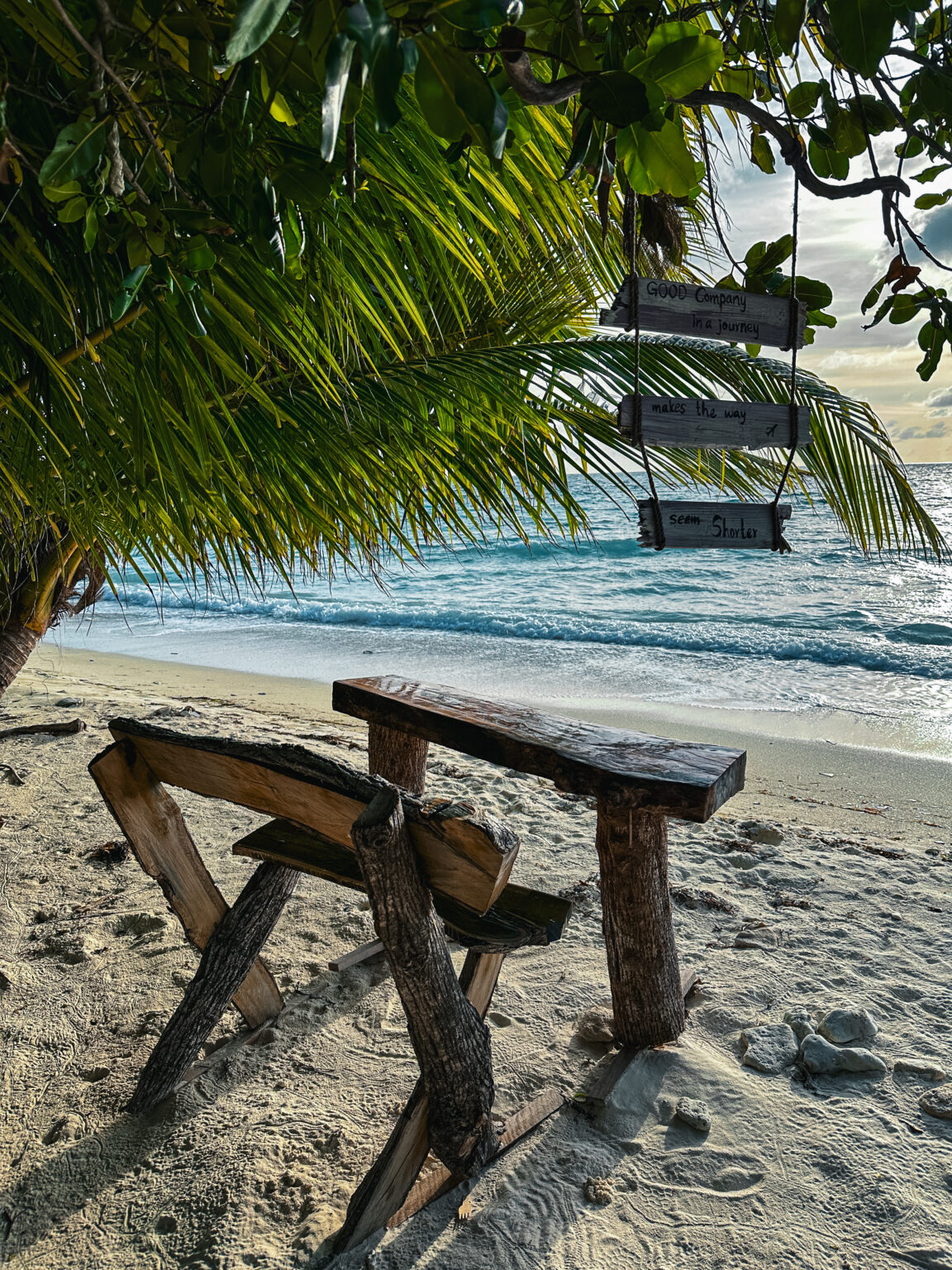
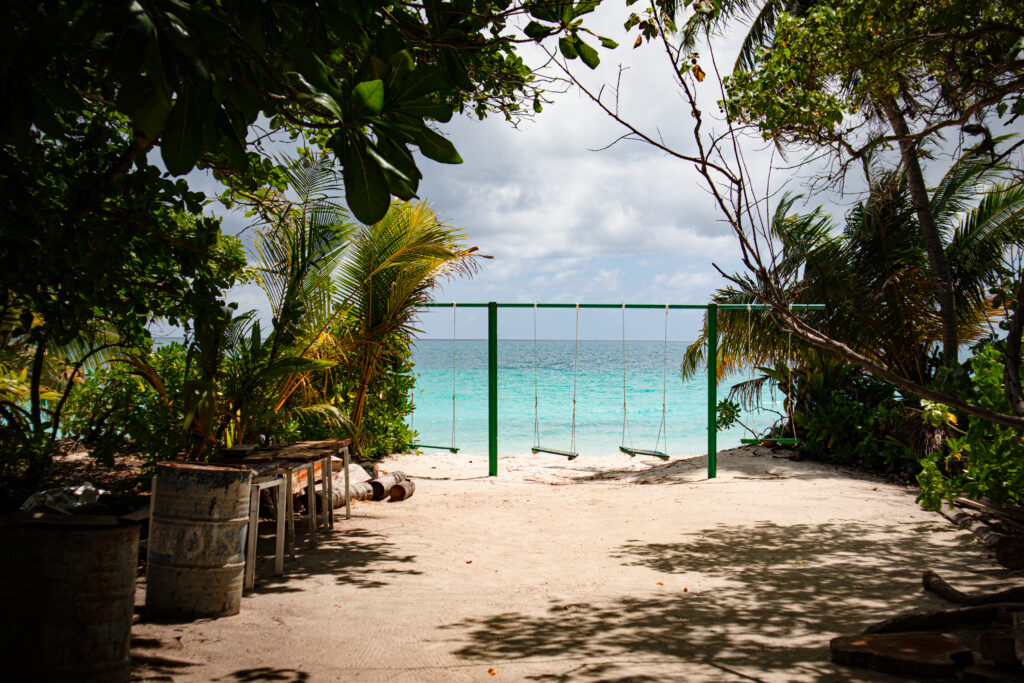
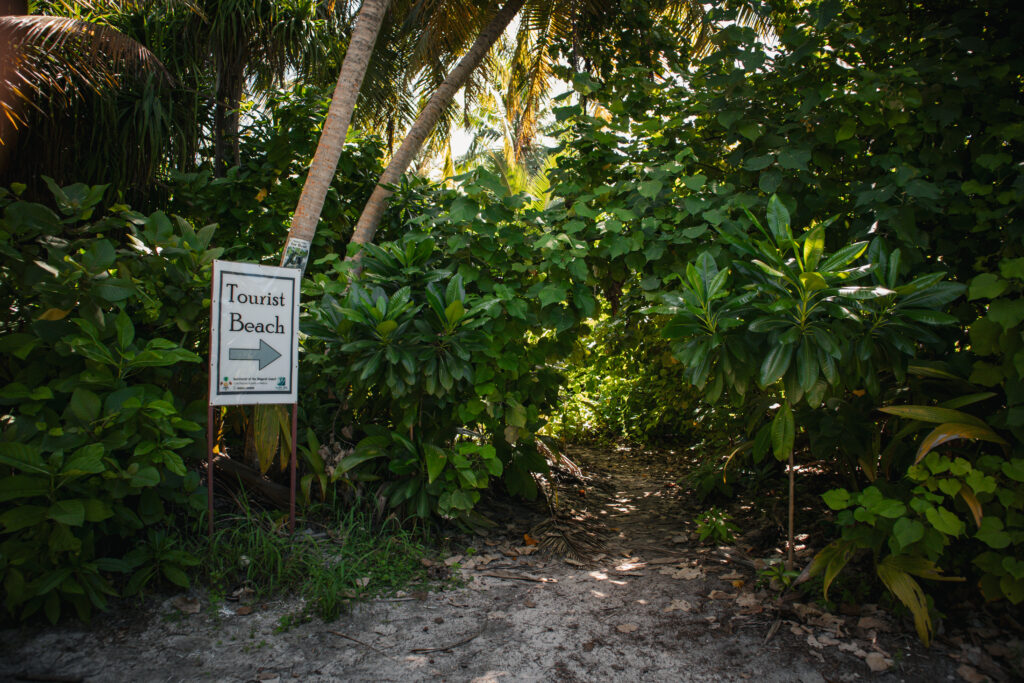
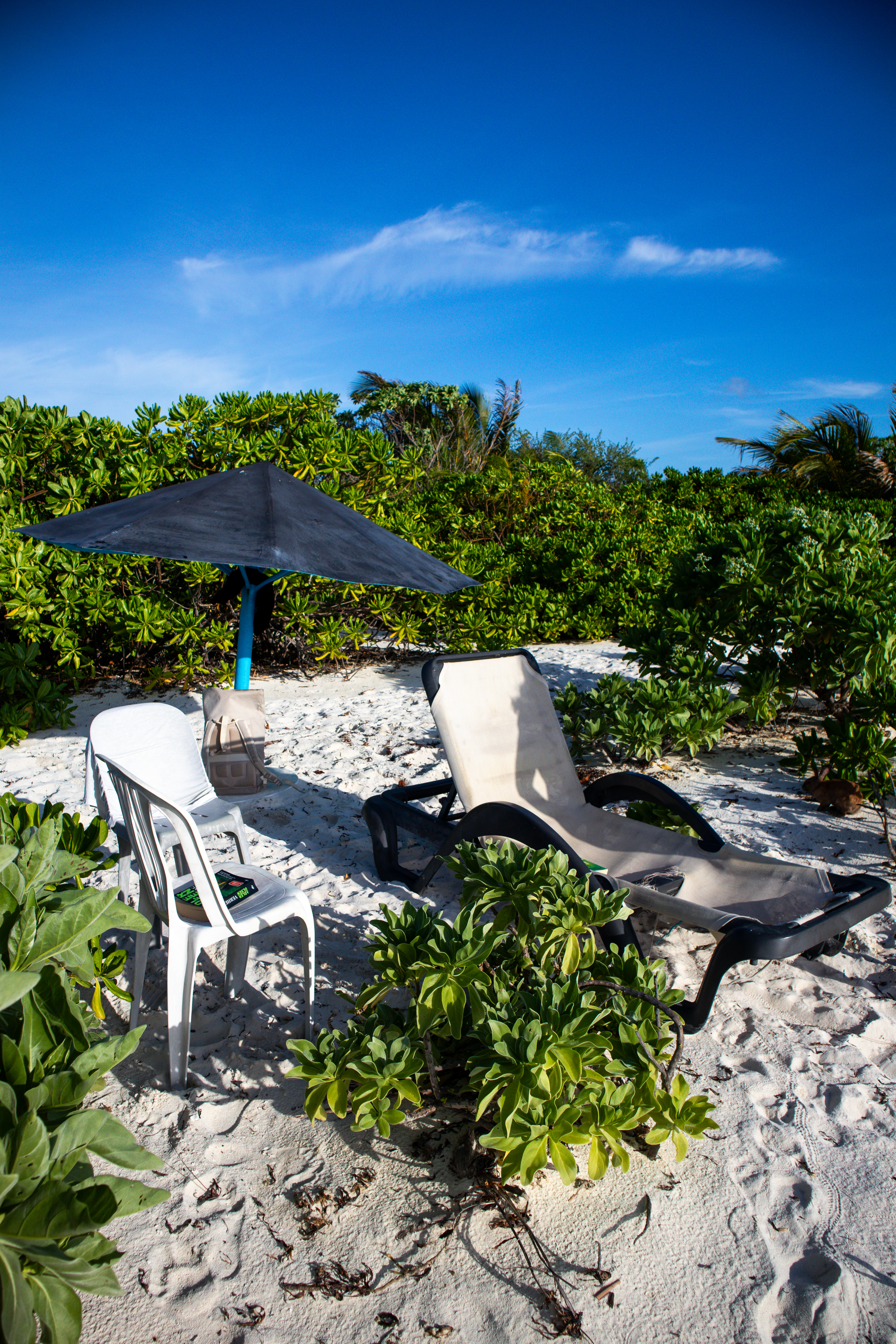
Strand und Wassersportaktivitäten: Hier ist der größte Unterschied eher der, dass es keine klassischen Stege gibt. Man begibt sich am Touristbeach direkt vom Strand aus ins Meer und kann dort schnorcheln gehen. Man sollte hierbei aber nicht bis ins tiefe (tiefblaue) Wasser schwimmen, da die Strömung hier sehr stark sein kann und dort auch reger Schiffverkehr herrscht. Der “bewachsene Teil” der Insel rundherum ist der Tourist Beach und kann somit mit Bikini und Shorts betreten werden. Es gibt immer wieder kleine Möglichkeiten zum liegen und sitzen. Die Liegen sind natürlich nicht so in Schuss gehalten wie im Resort, aber es funktional und wir haben uns bestens erholt. Desweiteren werden noch Jetskis verliehen und diverse andere Wassersportaktivitäten.
Dive Center: Eine Besonderheit die wir vorher auch nicht kannten war, dass hier die Dive Center fest mit den Guesthouses kooperieren und zugewiesen sind. Man kann somit nicht einfach ein Dive Center wählen. Sollte man aber mit Freunden unterwegs sein und in unterschiedlichen Guesthouses schlafen, wird in der Regel unkompliziert untereinander kooperiert, dass man auf einem Boot mitfährt.
Baulärm: Last but not least ein Punkt der uns lange beschäftigt hat, wie sehr das unsere Erholung beeinträchtigt. Hier gibt es gerade bei TikTok solche und solche Ansichten. Wir haben uns letztendlich nicht davon beirren lassen und sind trotzdem hingeflogen, nachdem unser Guesthouse versichert hatte, dass es nicht störend ist in der Umgebung. Und genau das ist der springende Punkt: JA – es wird viel gebaut. Ausländische Investoren haben erkannt, dass der Tourismus auf den Local Islands zunimmt und sich dort lukrative Einnahmequellen erschließen lassen, somit wird tatsächlich einiges gebaut. Daher fragt vorher euer Guesthouse oder checkt bei Google Maps, ob dort eine Baustelle ist. Aber selbst wenn, haben wir festgestellt, dass sich der Lärm in Grenzen hielt und alles eher etwas “entspannter” angegangen wurde. Somit wurden wir zu keiner Zeit davon negativ beeinflusst.
Unser Guesthouse
OASIS Dhigurah
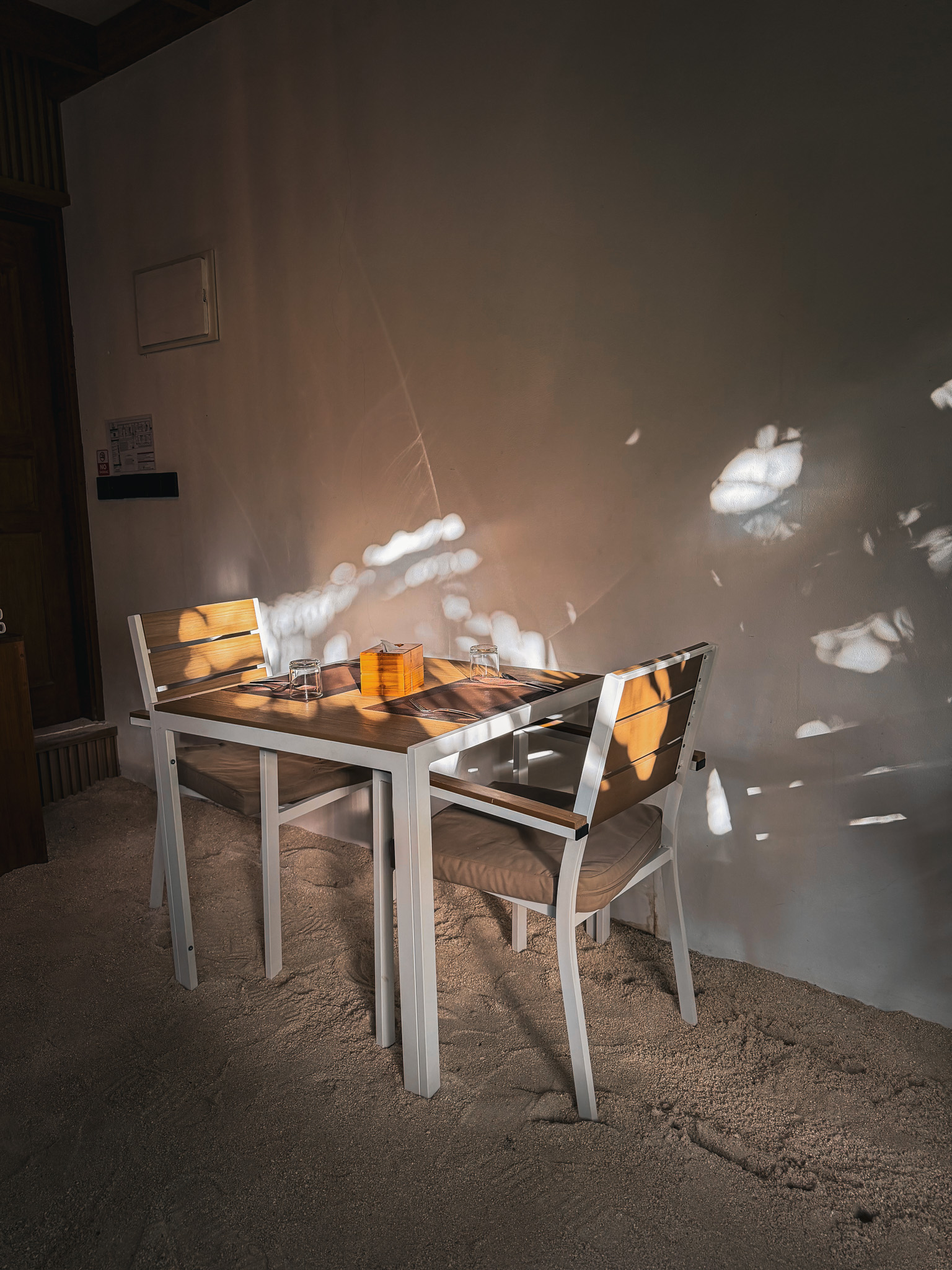
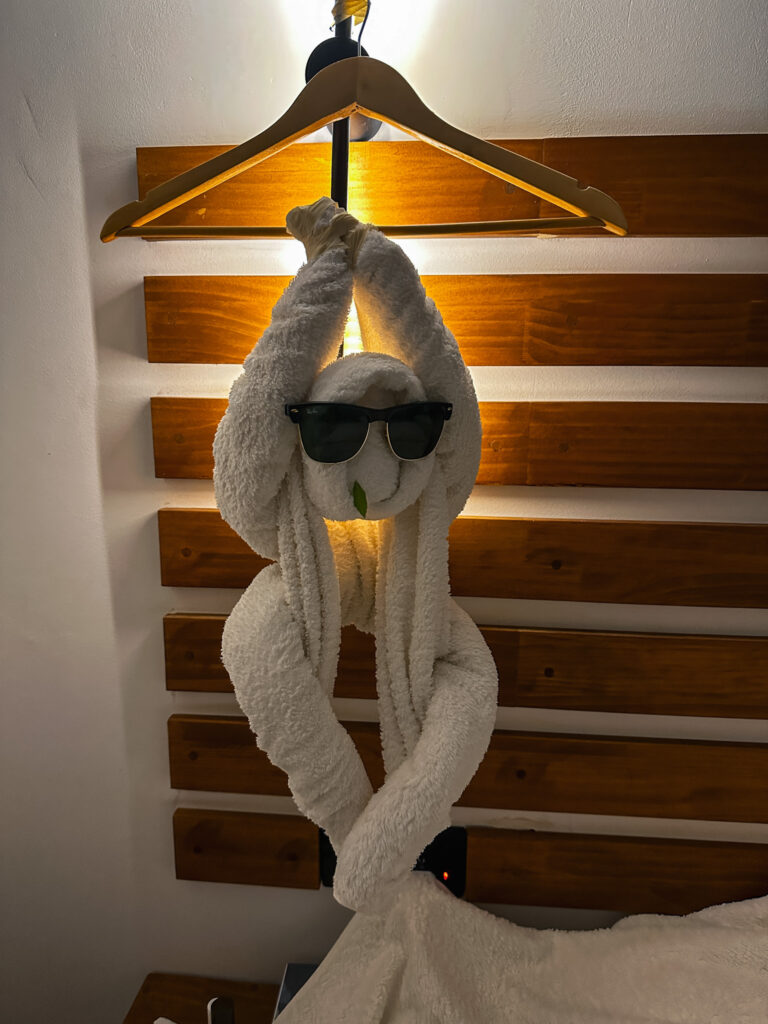
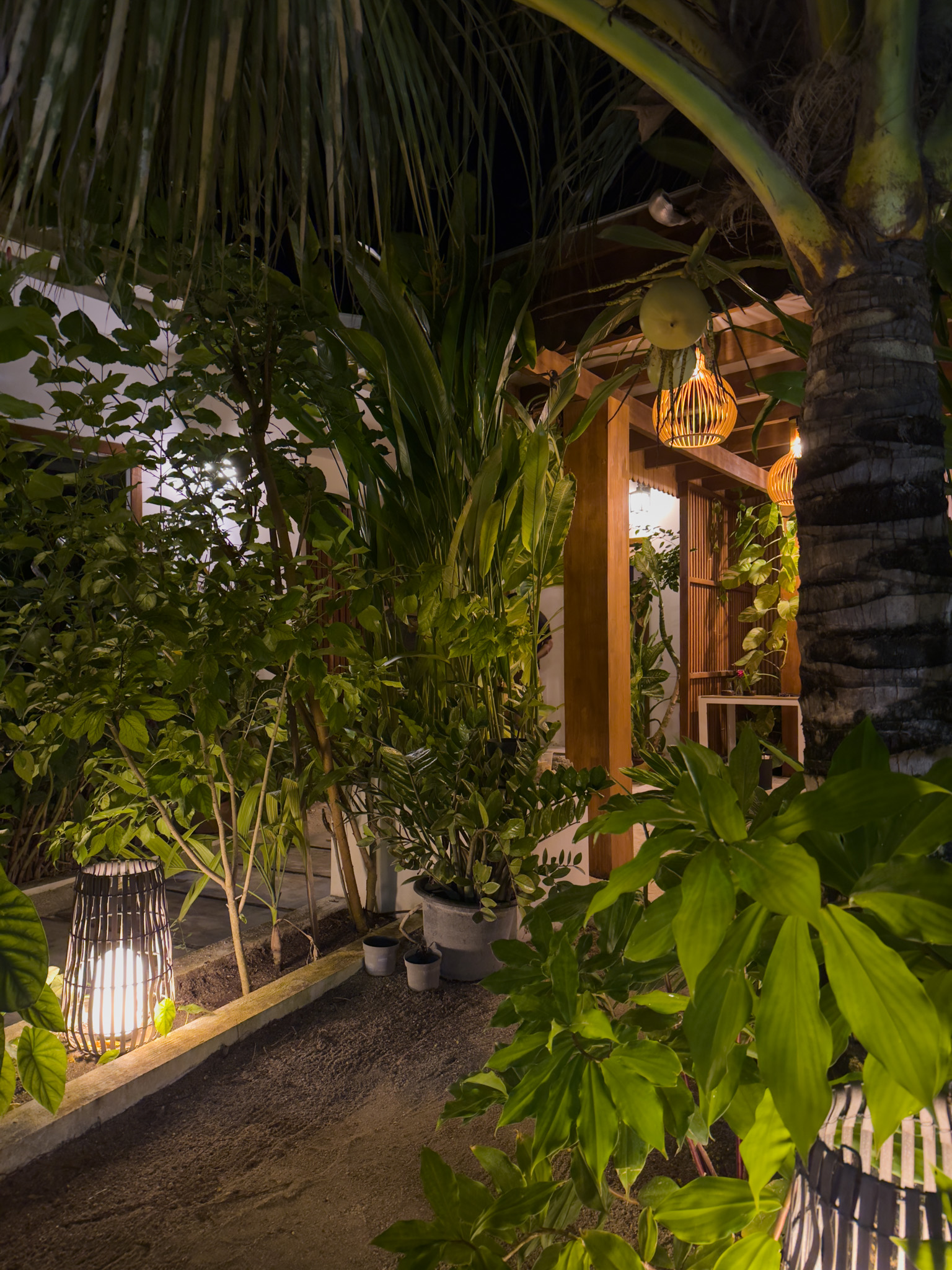
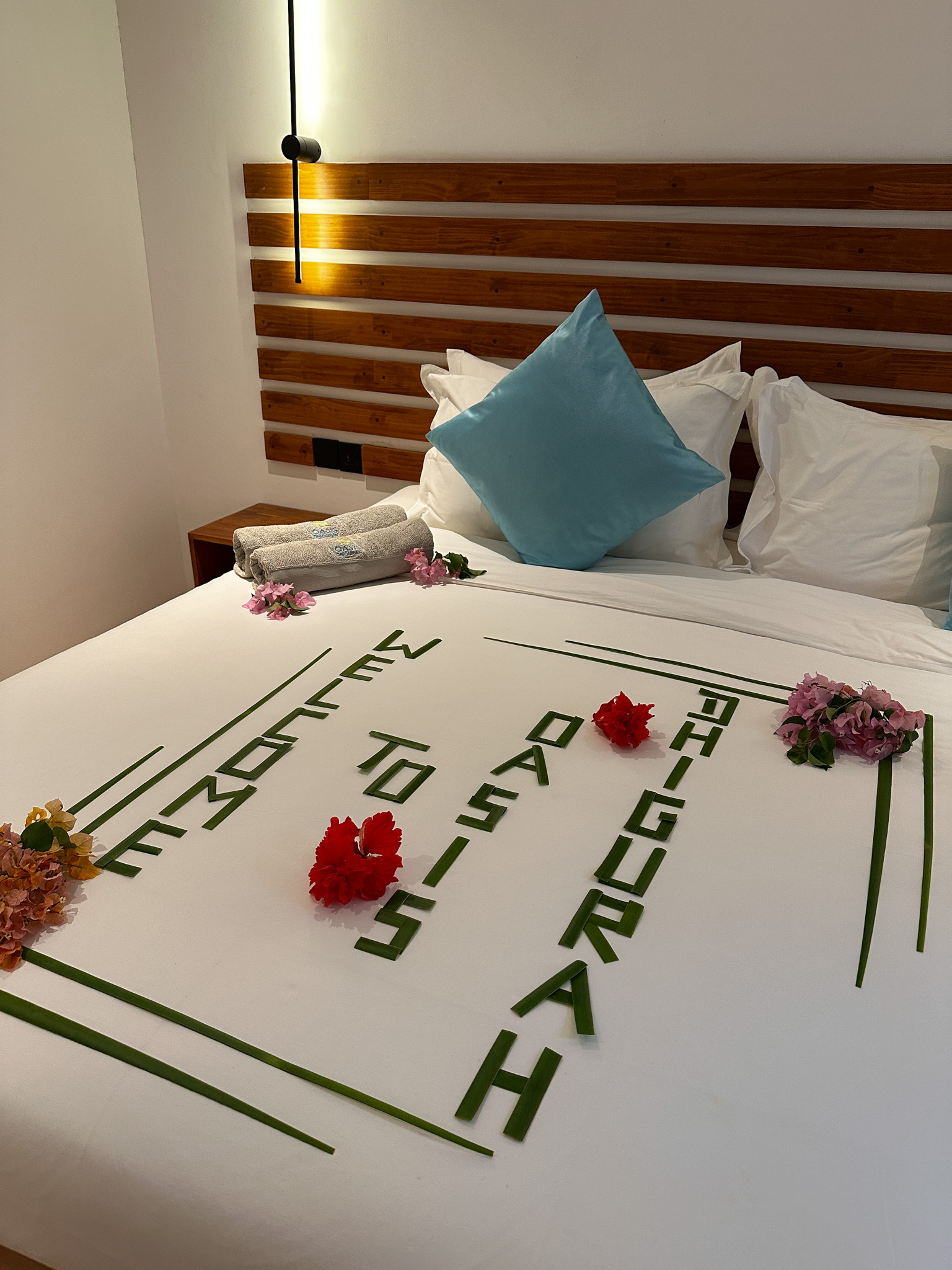
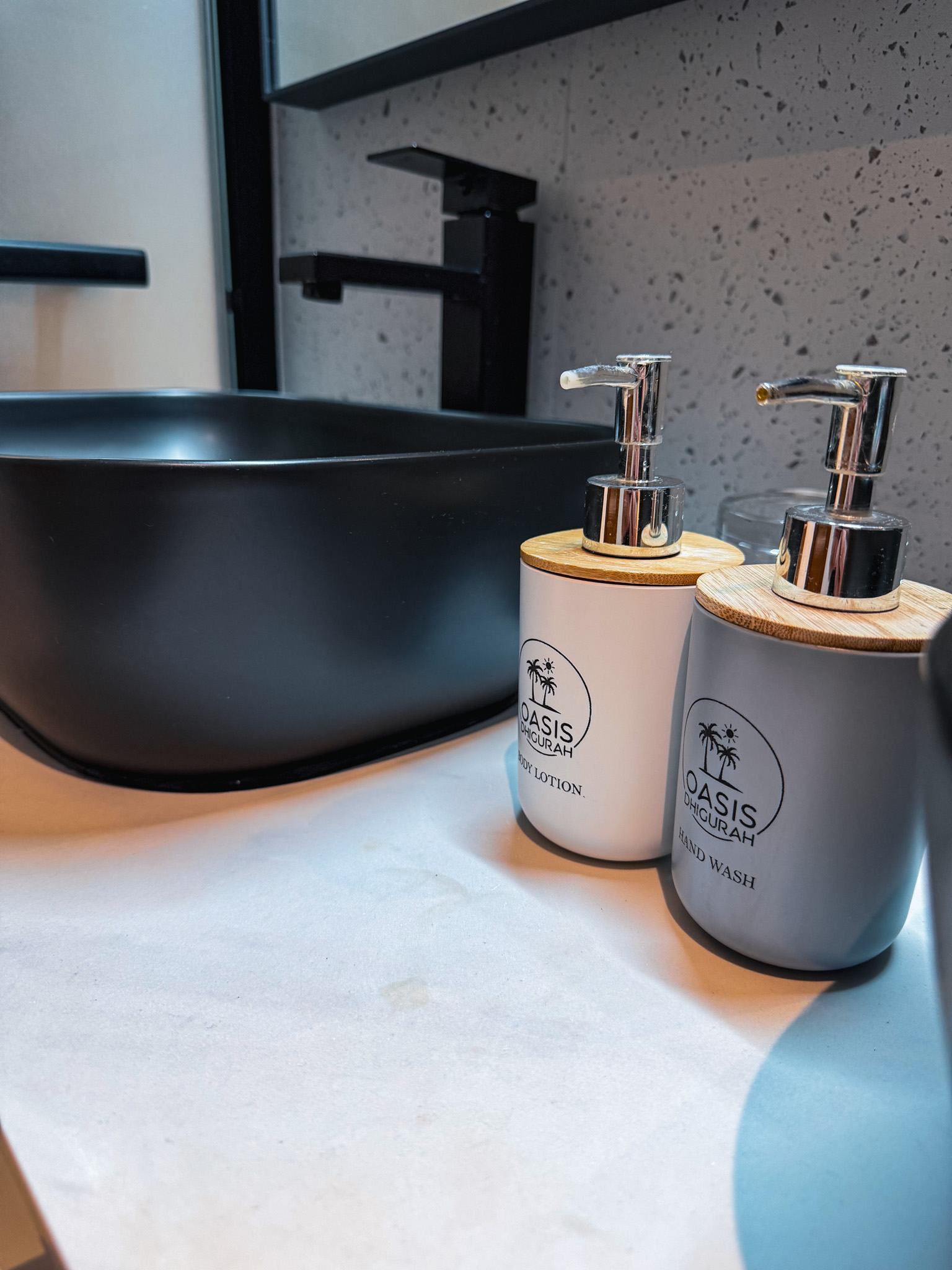
Ein wundervolles Guesthouse, welches modern, sauber und idyllisch eingerichtet ist, mit Mitarbeitern dessen Herzlichkeit und Offenheit unglaublich ist.